
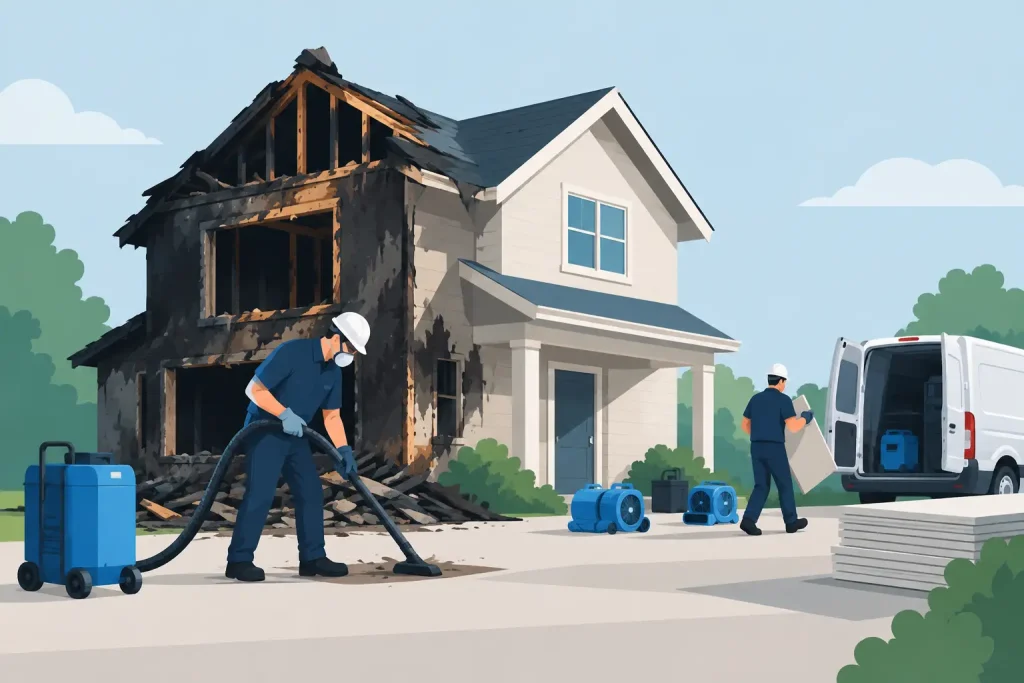
The fire is out, but the work is far from over. Fire damage restoration is the process of making a property safe, repairing what can be saved and returning affected areas to a sound, presentable condition. For Melbourne homeowners, strata committees and commercial property managers, the priority is clear: protect people, prevent further deterioration and get the building operational again without cutting corners.
A proper recovery is not simply a repaint. Smoke travels well beyond the room where the fire started, soot can settle inside joinery and ceiling cavities, and water used to extinguish the fire may introduce a separate moisture problem. The right sequence of assessment, cleaning, repairs and finishing work makes the difference between a surface that looks good briefly and a restoration that lasts.
What fire damage restoration involves
The scope depends on the fire, the building materials and how long the property has been exposed to smoke, moisture and the elements. A small kitchen fire may affect one room and adjoining ceilings. A larger fire in a commercial tenancy or apartment block can affect common areas, services, external coatings and several levels of the building.
The first stage is securing the site. This can include isolating unsafe areas, protecting openings from weather, removing loose or damaged materials and identifying immediate hazards. Structural repairs, electrical work, plumbing and specialist smoke or mould treatment may be required before any decorative work begins.
Once the building is cleared for restoration, damaged plaster, timber, trim, flooring and fixtures can be assessed for repair or replacement. Only then should final surface preparation and painting be scheduled. Rushing to coat smoke-affected walls before the underlying problem is resolved can lead to staining, poor adhesion and odours returning through the new finish.
Why smoke and soot need more than a fresh coat of paint
Smoke residue is often oily, acidic and difficult to see on pale surfaces. It can discolour paintwork, corrode metal fittings and leave a persistent smell in porous materials. In a property with ducted heating, smoke can also move through the system and settle in rooms not directly touched by flames.
Painting over soot without thorough cleaning is a false economy. The residue may prevent primers and topcoats from bonding properly, while remaining contaminants can bleed through over time. Walls, ceilings, doors, skirting boards and window frames need careful inspection, because each substrate responds differently to heat, smoke and cleaning methods.
For minor surface contamination, professional cleaning and sealing may be enough. Where plasterboard has absorbed heavy smoke or has been softened by firefighting water, replacement is often the more dependable option. Timber may be repairable where charring is superficial, but it must be assessed before it is sanded, filled or coated.
The right order of works after a fire
Fire recovery projects run best when trades are coordinated from the start. Insurance requirements, safety obligations, material lead times and occupied-site conditions all affect the programme. A clear scope prevents repeated work and keeps the budget under control.
1. Document the damage before work starts
Photographs, reports and itemised records support the insurance process and give every contractor a reliable starting point. Do not dispose of damaged materials or begin major cleaning until the insurer, assessor or relevant authority has confirmed what is needed. In strata and commercial properties, this step also helps clarify whether works fall under the owner, tenant or owners corporation responsibility.
2. Make the building safe and dry
Water extraction, drying and ventilation should be managed before surface restoration begins. Moisture trapped behind walls or under flooring can cause mould, timber movement and coating failure later. If the property has suffered substantial water exposure, moisture testing is sensible before plaster repairs and painting are approved.
3. Remove damaged materials and repair substrates
Burnt, contaminated or unstable materials need to be removed safely. After the necessary repairs, new plasterboard, patching compounds, timber components and other substrates must be allowed to cure and dry properly. This stage is where patience pays off. A flawless paint finish cannot hide poor repairs or an uneven surface.
4. Clean, seal and repaint affected surfaces
Professional surface preparation is essential. Depending on the surface and contamination level, this may involve washing, degreasing, sanding, spot-priming and applying a stain-blocking sealer before the finishing coats. The selected paint system should suit the area, whether it is a hard-wearing commercial corridor, a residential ceiling, external cladding or a heritage feature.
Choosing paint systems for restored areas
The cheapest paint is rarely the best choice after fire damage. Restored surfaces need coatings that adhere reliably, provide an even finish and suit the practical demands of the space. A family home may need washable internal wall paint, while a school, office or apartment foyer may require a more durable low-sheen system that stands up to frequent cleaning.
Ceilings deserve particular attention. Smoke stains are highly visible under natural light, and ceiling coatings need the correct preparation and sealing to prevent discolouration coming back through. Timber doors, trims and window frames may need a different primer and coating system again, particularly where heat has affected existing finishes.
Colour selection is also worth considering as part of the restoration. Matching an existing colour can be appropriate for a small repair. However, if multiple rooms are affected or an older coating has faded, repainting a full wall, room or connected area often gives a more consistent result. For commercial and strata sites, this is a good time to review maintenance colours and establish a finish schedule for future touch-ups.
Managing restoration in occupied homes and workplaces
Fire damage is disruptive enough without a poorly managed worksite. Where a property remains partly occupied, the restoration plan should separate work zones, protect unaffected rooms and maintain safe access wherever possible. Dust control, daily clean-up and clear communication matter just as much as the final paintwork.
For businesses, schools and managed buildings, timing may determine how the work is staged. Noisy demolition, sanding and high-traffic tasks can be planned outside operating hours where practical. In apartment buildings, residents need notice of access requirements, lift protection, parking needs and any temporary restrictions to common areas.
There is always a balance between speed and proper curing times. Everyone wants to reopen, reoccupy or move back in quickly, but skipping drying, preparation or sealing stages can create expensive defects later. An experienced contractor will give a realistic programme, identify dependencies early and explain what must happen before the next trade can begin.
Questions to ask before appointing a painting contractor
Not every painter is equipped to work within a fire recovery programme. The painting contractor should understand that their work is one part of a broader restoration process, not an isolated cosmetic job. They need to inspect the substrate, confirm that cleaning and drying have been completed, and flag conditions that could compromise the finish.
Ask whether the team is qualified and insured, how they protect occupied areas, and whether they can work around other trades and insurance schedules. For commercial sites, check that workers hold the required site credentials and can meet safety procedures. If elevated work is required, confirm the contractor has the right access equipment and capability rather than relying on improvised solutions.
A detailed quote should identify preparation, priming, coating systems and the extent of the areas being painted. Vague allowances can create disputes when hidden staining, damaged plaster or additional preparation is found. Clear documentation provides a better basis for budget decisions and insurer approval.
A finish that supports a proper recovery
The final repaint is often the point at which a fire-affected property begins to feel usable again. Done properly, it does more than improve appearance. It seals prepared surfaces, protects repaired materials and gives homes, workplaces and shared buildings a clean, durable finish that is ready for normal use.
For fire damage restoration in Melbourne, careful preparation and dependable trade coordination are worth more than a quick coat of paint. Give the building time to be made safe and dry, insist on a clear scope, and choose qualified tradespeople who treat the finish as the final step in a properly managed recovery.