
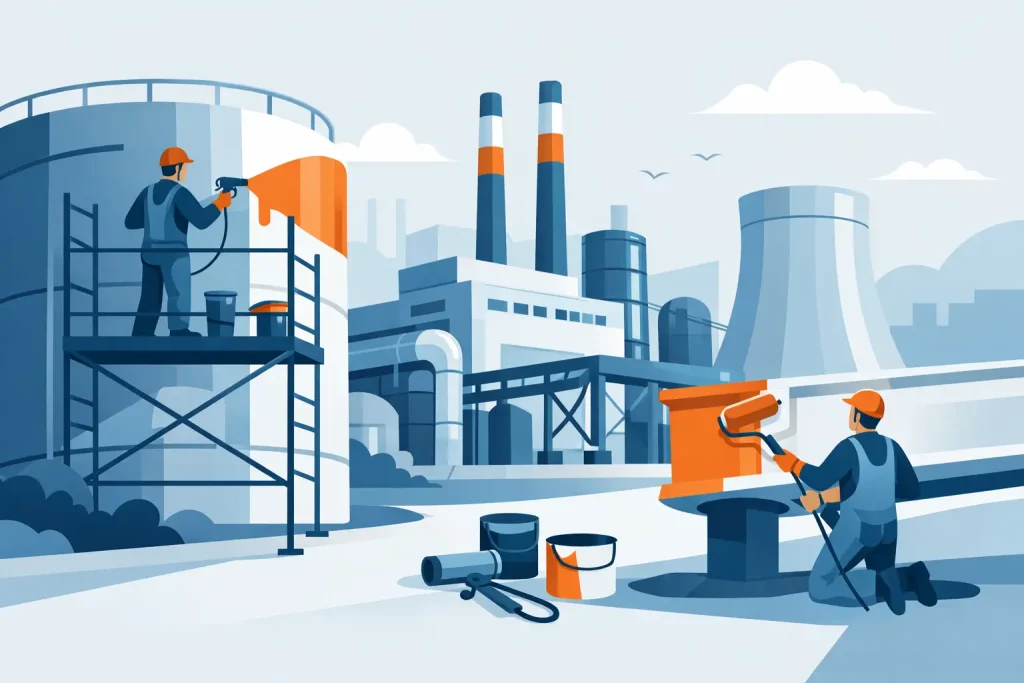
When a warehouse floor starts dusting, steelwork shows early rust, or a production area looks tired before its time, the issue is rarely just appearance. Industrial painting services are about protecting assets, maintaining safe working conditions and avoiding bigger repair costs later. For Melbourne site managers, property owners and facilities teams, the right paint system can make the difference between routine maintenance and a costly shutdown.
Industrial work is not the same as repainting an office or a home. The surfaces are harder wearing, the environments are harsher, and the margin for error is much smaller. Factories, warehouses, workshops, food production areas, logistics facilities and plant rooms all place different demands on coatings. Some spaces deal with heavy traffic, others with moisture, chemicals, heat or strict cleaning regimes. A paint job that looks acceptable on day one can fail quickly if the preparation, specification or application is wrong.
What industrial painting services actually cover
A proper industrial painting scope usually starts well before a brush or spray gun comes out. The first step is assessing the substrate, the condition of existing coatings and the environment the surface has to handle. Concrete, galvanised steel, structural steel, blockwork and previously painted surfaces all require different preparation and coating systems.
Industrial painting services can include internal and external repainting, protective coatings for steel, epoxy floor coatings, line marking, anti-corrosion systems, machinery and plant coating, warehouse repainting and scheduled maintenance painting. In some cases the priority is presentation. In others it is compliance, durability or hygiene. Most sites need a balance of all three.
That is why a quote should not be based on square metres alone. Access requirements, operating hours, shut-down windows, safety controls and the expected life of the coating all affect the scope. A lower upfront price can become expensive if the finish fails early or disrupts operations.
Why preparation matters more than the topcoat
In industrial environments, surface preparation does the heavy lifting. If rust is left active beneath a coating, or if grease and contaminants are not removed properly, even a premium product will struggle to bond. The result is peeling, bubbling, flaking or premature wear.
Concrete floors are a common example. Many owners focus on the final appearance, but the real question is whether the slab is clean, sound and dry enough to accept the system. Moisture issues, laitance and old coating failure all need attention before any new coating goes down. The same applies to steelwork. Corrosion needs to be treated correctly, and the primer must suit both the substrate and the final finish.
Good preparation takes time, and that can be where less experienced contractors cut corners. It may not be obvious in the first week, but it shows up months later when traffic patterns wear through, rust stains reappear or sections start lifting.
Choosing the right coating system
There is no single best paint for every industrial site. The right system depends on what the surface is exposed to and how long the client expects it to last before the next maintenance cycle. A warehouse with forklift traffic has different requirements from an exterior steel canopy exposed to Melbourne weather.
Epoxy coatings are often used where abrasion resistance and cleanability matter, particularly on floors. Polyurethane systems can offer strong chemical and UV resistance, making them suitable in certain exposed areas. Anti-corrosive primers and protective topcoats are commonly specified for structural steel, while washable low-sheen or semi-gloss systems may be more suitable in service corridors, plant rooms and operational interiors.
This is where experience counts. Over-specifying wastes money. Under-specifying creates failure risk. A dependable contractor will recommend a system that suits the actual use of the space, the site conditions and the maintenance budget rather than simply choosing the most expensive product on the shelf.
Industrial painting services and site safety
Industrial sites bring tighter safety requirements than standard painting work. Access equipment, exclusion zones, ventilation, traffic management and after-hours scheduling all need to be considered upfront. On active sites, painting teams must work around staff, machinery, deliveries and operational demands without creating unnecessary risk.
That is one reason qualifications and insurance matter. Fully qualified and insured tradesmen, White Cards for commercial environments and the ability to work at height with the right equipment are not nice extras. They are part of doing the job properly.
For clients, safety also ties directly to reliability. A contractor who plans the site well is more likely to finish on time, protect surrounding areas properly and avoid the sort of disruption that throws a facility off course.
Minimising disruption on working sites
Downtime is often the biggest concern with industrial repainting. Many facilities cannot simply stop trading for a week while works are carried out. The practical solution is staging.
Sections can be completed in planned zones, after hours, on weekends or during quiet production periods. Access routes can stay open while non-critical areas are painted first. Drying and curing times need to be factored into the programme so the space is handed back safely and without guesswork.
This is where communication matters as much as workmanship. Site managers need to know what is happening, when areas will be unavailable and when they can be used again. A no-nonsense contractor does not leave clients chasing updates. The plan should be clear from the start and adjusted quickly if conditions on site change.
What to look for in an industrial painter
Industrial painting is one of those trades where experience shows early. A capable contractor will ask sensible questions about substrate condition, access, operating hours, safety requirements and long-term expectations. They will also be realistic about timelines. If a job needs more preparation, more curing time or specialist access gear, that should be spelled out before works begin.
Look for a team with demonstrated experience across industrial and commercial environments, not just general house painting. The ability to work across factories, schools, offices, strata properties and managed sites also points to stronger planning discipline. It usually means the contractor is used to working around people, compliance requirements and operational constraints.
It also helps to choose a business that values budget control. The cheapest quote can be tempting, but unclear scopes often lead to extras, delays or reduced preparation. A well-documented quotation gives a much better indication of value for money.
When industrial painting becomes preventive maintenance
Many property owners wait until coatings are visibly failing before acting. By that stage, the work is often more expensive because the surface damage has advanced. Rust spreads, concrete breaks down further, and the preparation requirements become more involved.
A better approach is to treat industrial painting as part of a maintenance plan. Recoating exposed steel before corrosion takes hold is cheaper than major remedial works. Refreshing high-traffic walls and floors at the right interval helps maintain presentation and safety. In client-facing industrial settings, it also supports how the business is perceived by staff, visitors and tenants.
For facilities with multiple buildings or large footprints, staged maintenance can spread cost over time without letting standards slip. That kind of planning is particularly useful for body corporates, school operators and commercial owners managing ongoing upkeep across different assets.
Why local experience matters in Melbourne
Melbourne conditions are not especially forgiving on external surfaces. Temperature swings, moisture and general wear can all affect coating performance. Local experience helps when selecting systems for outdoor steel, loading areas, exposed facades and other surfaces that have to cope with changing conditions year-round.
It also matters from a project management point of view. A contractor with long-standing experience in Melbourne is more likely to understand local site conditions, scheduling pressures and the expectations of commercial and industrial clients. That practical knowledge often shows up in the details – tighter planning, cleaner finishes, fewer surprises and a smoother job overall. For many clients, that is exactly why they choose an established team such as The Scotsman Painters.
The best industrial painting work does not call attention to itself for the wrong reasons. It protects the surface, stands up to the environment and gets completed with minimal fuss. If you are planning works on a warehouse, factory, plant room or industrial facility, the smart move is to focus on preparation, specification and reliability first. The finish will follow, and so will the long-term value.