
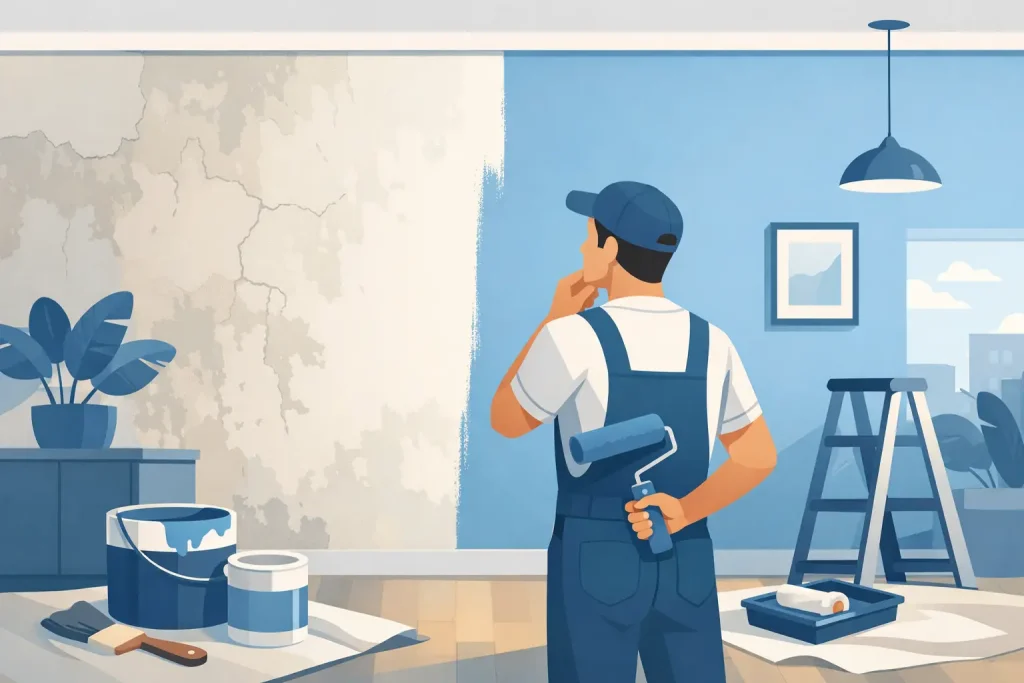
A wall can look acceptable from across the room while already showing the early signs of paint failure. Scuffs that no longer wash off, dull patches around windows, hairline cracks and peeling at skirting level all affect more than appearance. If you are asking when should walls be repainted, the right answer depends on the condition of the surface, how the space is used and whether there is an underlying issue that paint alone will not fix.
For Melbourne homes and managed properties, repainting is often best treated as planned maintenance rather than a last-minute response to tired-looking walls. A well-timed paint job protects plaster, timber and masonry, presents the property properly and avoids the greater preparation costs that come with neglected surfaces.
When should walls be repainted in a home?
Most interior walls benefit from repainting every five to seven years, but that is only a useful starting point. A quiet guest room may stay in good condition for much longer. Hallways, children’s bedrooms, kitchens and living areas commonly need attention sooner because they receive more traffic, cleaning and contact.
Exterior walls generally require repainting every seven to ten years, depending on the existing coating system, substrate, aspect and exposure. Melbourne weather can be hard on paintwork. UV exposure, driving rain, temperature changes and damp conditions all place pressure on exterior coatings, particularly on west-facing and weather-exposed elevations.
The practical trigger is condition, not the calendar. If the existing paint is sound, clean and still providing even coverage, repainting can be scheduled around a renovation, sale or tenancy change. If it is failing, delaying the work can allow moisture to enter cracks and exposed areas, making the eventual repair more involved.
Signs that repainting should not wait
Some wear is cosmetic. Other signs point to a coating that is no longer doing its job. Peeling, flaking or bubbling paint should be inspected promptly, especially outdoors or around wet areas. These problems can result from poor adhesion, trapped moisture, water ingress or incompatible previous coatings. Simply painting over them is not a durable solution.
Fading is another common signal. Exterior colour that has become chalky, patchy or noticeably lighter has often lost protective performance as well as visual appeal. On internal walls, stains, greasy marks and repeated touch-ups that stand out from the surrounding finish usually mean the room is due for a full repaint rather than another small patch repair.
Look closely at cracks too. Fine, stable hairline cracks in plaster may be part of normal building movement and can usually be repaired as part of preparation. Wider, recurring or diagonal cracks may indicate movement or another building issue. That cause should be assessed before painting so a fresh finish is not quickly compromised.
High-use areas need a shorter repainting cycle
The use of a room has a major effect on how often it should be painted. Entryways, corridors, stairwells and family living zones collect hand marks, furniture scuffs and general wear faster than low-traffic spaces. In rental homes and apartment common areas, these surfaces can deteriorate quickly between maintenance cycles.
Kitchens, laundries and bathrooms require particular care. Steam, condensation and regular cleaning place extra demand on the coating. Mould spots, persistent staining or paint lifting near exhaust fans and windows should prompt an investigation into ventilation and moisture control. Repainting without addressing the source of condensation may only conceal the problem for a short time.
For commercial premises, schools and offices, appearance is only one part of the decision. Damaged wall finishes can make a workplace look poorly maintained, while deteriorated coatings in high-contact areas become harder to keep clean. Planned repainting during shutdowns, school holidays or quieter trading periods can reduce disruption and give facilities managers better control of budgets and access requirements.
Repaint before selling, leasing or handing over a property
A repaint is one of the most effective ways to lift the presentation of a property without changing its layout. It is worth considering before placing a home on the market, welcoming new tenants, completing a fit-out or handing over a commercial space. Fresh, consistent walls make rooms feel cleaner, brighter and more cared for.
That does not always mean painting every surface. If ceilings and low-use rooms remain in excellent condition, targeted work may be the better-value option. The key is to avoid obvious differences between freshly painted areas and tired adjoining walls. A professional assessment can identify where selective repainting will look natural and where a complete room or elevation is the more sensible choice.
For strata and body corporate properties, planned repainting also helps avoid reactive maintenance. Common corridors, foyers, stairwells and external façades should be reviewed before paint failure becomes widespread. Staging works by building area or elevation can spread cost while maintaining a consistent standard across the property.
Preparation determines how long the new finish lasts
Repainting is not just a matter of selecting a new colour and applying two coats. The durability of the result depends heavily on surface preparation. Walls may need washing, scraping, sanding, filling, gap sealing, stain blocking or treatment for mould before the first coat is applied.
On exterior surfaces, preparation may also include removing chalky residue, repairing damaged render or timber, treating rust and sealing bare areas with the appropriate primer. Each substrate requires the right coating system. Using the wrong product, or applying paint over a damp or unstable surface, can lead to early peeling and unnecessary rework.
This is where a lower upfront quote can become expensive. A finish may look satisfactory when the painter leaves, but inadequate preparation often shows itself within months. Qualified, insured tradespeople should assess the existing condition, identify repairs and specify a system suited to the surface and environment.
Timing a repaint around Melbourne conditions
Interior painting can be completed throughout the year when rooms are ventilated and conditions are managed properly. Exterior work needs closer attention to weather. Paint should not be applied to wet surfaces or when rain, excessive wind, very low temperatures or high humidity are likely to interfere with drying and curing.
Melbourne’s changeable conditions make planning important. A reliable contractor will monitor forecasts, sequence work carefully and protect exposed areas where needed. For occupied homes and operating businesses, timing also includes access, furniture protection, working hours and a clear plan for keeping disruption to a minimum.
If the project involves elevated areas, heritage details, commercial sites or shared access spaces, capability matters as much as timing. Site safety requirements, access equipment and communication with occupants should be organised before work begins, not improvised on the day.
Choosing the right scope for the job
Before approving a repaint, ask whether the quote clearly separates preparation, repairs, primers, paint systems and the number of finish coats. It should also state which surfaces are included and whether there are exclusions for hidden damage or additional repairs discovered once preparation starts.
Colour selection deserves practical thought as well. Very dark colours, high-gloss finishes and dramatic colour changes can require additional coats or more careful surface preparation. In busy homes and commercial spaces, washable low-sheen finishes are often a sensible balance between appearance and maintenance. Exterior colours should be selected with fade resistance, surrounding materials and council or heritage considerations in mind where relevant.
The Scotsman Painters approaches repainting as a surface-maintenance job first and a colour change second. That means identifying what the walls need to remain sound, then planning the work around the property, its occupants and the required finish.
Do not wait until walls are heavily peeling or stained beyond repair. A timely inspection and a properly prepared repaint can keep a home, workplace or shared property looking cared for while protecting the surfaces underneath.